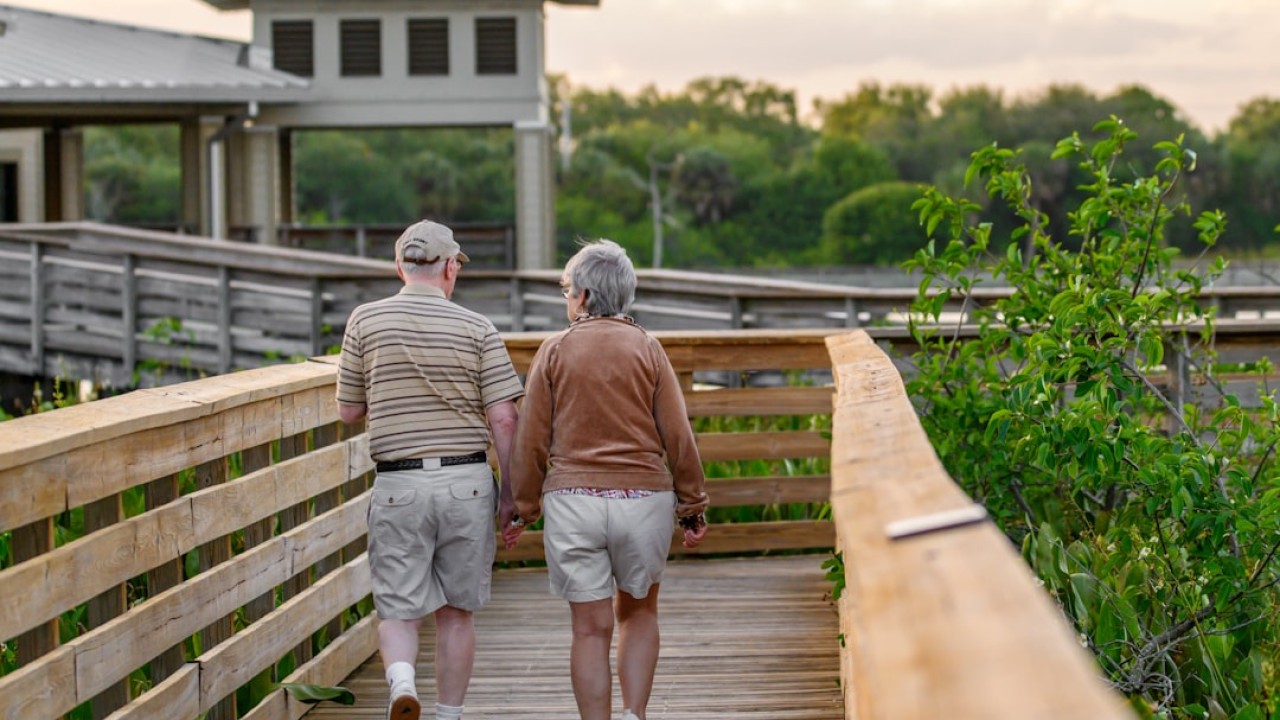
Why Social Activities Matter for Seniors
Staying socially active is essential for seniors’ emotional, mental, and physical well-being. Engaging with others helps reduce feelings of loneliness and isolation, which are common challenges as people age. Research shows that seniors who participate in social activities enjoy better cognitive function, lower rates of depression, and improved overall health.
Finding the right social activities can provide meaningful connections, foster a sense of purpose, and keep seniors mentally sharp. Here, we outline some of the best social activities for seniors that suit a variety of interests and lifestyles.
Group Exercise and Fitness Classes
Physical activity combined with social interaction offers double benefits. Many seniors enjoy group fitness sessions such as yoga, tai chi, water aerobics, or walking clubs. These activities not only promote physical health but also encourage regular social contact.
- Walking groups: Joining a local walking group encourages gentle exercise and offers a structured way to meet new people.
- Dance classes: Styles like ballroom, line dancing, or Zumba can be fun and energizing, helping improve balance and coordination.
- Community center fitness programs: Many centers offer senior-specific classes tailored to various mobility levels.
Creative and Educational Clubs
Learning and creativity stimulate the brain and encourage social engagement. Seniors often benefit from joining clubs or classes that challenge the mind and foster a sense of achievement.
- Book clubs: Discussing literature encourages critical thinking and provides an opportunity for meaningful conversation.
- Art workshops: Painting, pottery, or crafting classes allow self-expression and build community bonds.
- Language groups: Learning a new language or practicing one can be both stimulating and a way to meet others with similar interests.
- History or lecture series: Local libraries and community centers often host talks that combine education and socializing.
Volunteer Opportunities
Volunteering provides seniors with a sense of purpose and connection to their community. It’s a way to contribute skills and experience while meeting people who share their values.
- Mentoring or tutoring: Sharing knowledge with younger generations fosters intergenerational relationships.
- Community gardens: Working alongside others to grow plants or vegetables promotes teamwork and outdoor activity.
- Charity events: Helping organize or participate in local fundraisers creates social networks and meaningful impact.
Social Clubs and Interest Groups
Joining clubs based on interests can help seniors find like-minded companions and enjoy regular social gatherings.
- Gardening clubs: Sharing tips and working on garden projects creates camaraderie and relaxation.
- Travel groups: Group trips designed for seniors combine adventure with social bonding.
- Cooking classes: Learning new recipes in a group setting can be both educational and enjoyable.
- Game nights: Board games, card games, and puzzles stimulate the mind and encourage friendly competition.
Technology and Virtual Meetups
For seniors with limited mobility or those living farther from family and friends, technology offers valuable ways to stay socially connected.
- Video calls and chats: Platforms like Zoom or FaceTime enable face-to-face conversations with loved ones and friends.
- Online hobby groups: Many forums and social media groups cater to specific interests, providing connection beyond local boundaries.
- Virtual classes and events: Seniors can join exercise classes, lectures, or book clubs remotely, ensuring continued engagement.
Tips for Choosing the Right Social Activities
Not every activity suits every individual. Here are some practical suggestions for selecting activities that will be both enjoyable and beneficial:
- Consider personal interests: Choose activities aligned with hobbies or passions to increase motivation.
- Assess mobility and health: Select options that accommodate physical abilities and limitations.
- Start small: Attend a few sessions to gauge comfort level before committing long-term.
- Look for local options: Community centers, libraries, and senior organizations often offer a variety of accessible social activities.
- Invite a friend: Bringing someone along can ease anxiety and make new experiences more enjoyable.
The Role of Family and Caregivers
Family members and caregivers can support seniors’ social engagement by encouraging participation and helping with logistics such as transportation. They can also help identify suitable activities and accompany seniors to events when needed.
Encouraging social interaction contributes to seniors’ mental health and quality of life, making it a valuable part of caregiving.
Final Thoughts
Choosing the best social activities for seniors involves considering personal interests, physical abilities, and opportunities for connection. Whether it’s joining a walking group, attending art classes, volunteering, or engaging through technology, social activities play a crucial role in maintaining well-being and happiness.
By fostering regular social interactions, seniors can enjoy richer lives filled with friendship, learning, and purpose.