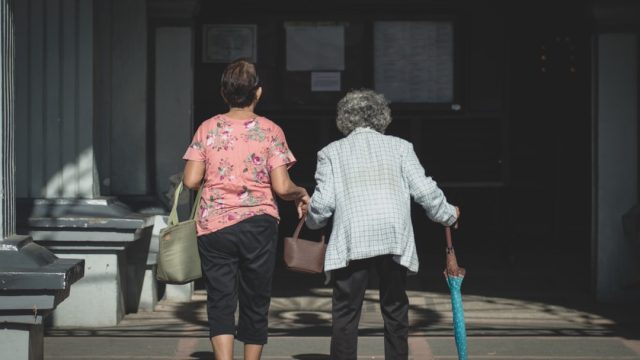
Planning Your Trip with Confidence
Traveling as a senior brings unique joys and opportunities, but it also requires thoughtful preparation. Starting your journey with a solid plan helps ensure comfort and safety throughout your trip.
Choose Destinations Wisely
When selecting a destination, consider accessibility and available medical facilities. Places with good infrastructure, easy transportation, and healthcare services can provide peace of mind. For example, cities that offer wheelchair-friendly public transit or accommodations with elevator access make travel smoother.
Consult Your Healthcare Provider
Before booking any trip, talk to your doctor about your travel plans. Discuss any health concerns, necessary vaccinations, and medications. Ask for advice on managing any chronic conditions while away. Carry a detailed list of your medications and any medical conditions, preferably translated into the local language if traveling internationally.
Packing Smart for Comfort and Convenience
Packing thoughtfully can reduce stress and make your travel experience more enjoyable.
Essentials to Include
- Medications: Bring enough prescription medications for the entire trip plus extra for emergencies.
- Comfortable Clothing: Choose breathable, layered clothing to adapt to changing weather.
- Supportive Footwear: Proper shoes reduce fatigue and help prevent slips or falls.
- Travel Documents: Keep passports, IDs, insurance cards, and emergency contacts organized and accessible.
Use Packing Aids
Compression bags or packing cubes help organize belongings and save space. A lightweight, wheeled carry-on can ease mobility at airports or train stations.
During the Journey: Staying Comfortable and Safe
Travel days can be demanding. Following certain practices can make the process less tiring.
Manage Mobility and Rest
- Request Assistance: Many airports and stations offer mobility assistance or wheelchair services. Don’t hesitate to ask.
- Stay Hydrated: Drink plenty of water to avoid dehydration, especially on flights.
- Take Breaks: Stand, stretch, or walk periodically to improve circulation during long trips.
Pack Snacks and Entertainment
Bringing healthy snacks such as nuts, fruit, or granola bars can help maintain energy levels. Books, puzzles, or downloaded movies provide distraction and relaxation during waits or flights.
Choosing the Right Accommodations
Your lodging plays a significant role in how comfortable your trip will be.
Accessibility Matters
Look for hotels or rentals with accessible entrances, grab bars in bathrooms, and elevators. Reviews often mention these features, or you can call ahead to confirm.
Location and Safety
Accommodations close to attractions or public transit reduce daily travel strain. Also, pick places in safe neighborhoods with good lighting and security features.
Health and Safety Tips While Traveling
Maintaining health and safety should be a priority on any trip.
Keep Medications and Medical Info Handy
Always carry medications in your carry-on bag to avoid loss. Having a medical alert bracelet or card detailing allergies or conditions can be lifesaving in emergencies.
Stay Aware of Your Surroundings
Be cautious in crowded places to avoid falls or pickpocketing. Use a money belt or secure bag for valuables and keep copies of important documents separately.
Making Travel Enjoyable and Stress-Free
Enjoying your trip is just as important as staying safe.
Set Realistic Daily Itineraries
Plan activities with downtime in between. Allow for flexibility to accommodate how you feel each day. Overpacking your schedule can lead to fatigue.
Use Travel Groups or Tours
Joining senior travel groups or guided tours can offer companionship and reduce stress related to navigation or language barriers.
Stay Connected
Keep in touch with family or friends during your travels. Sharing your itinerary and contact information adds an extra layer of security.
Technology That Helps Seniors Travel
Technology can simplify many aspects of travel.
Useful Apps
- Navigation: Apps like Google Maps help with directions and transit info.
- Health Monitoring: Some wearables track heart rate or alert contacts in emergencies.
- Translation: Language apps assist with communication abroad.
Portable Chargers and Devices
Carrying portable battery packs ensures devices stay charged, especially during long travel days.
Travel Insurance and Emergency Preparedness
Insurance designed for seniors often covers health emergencies, trip cancellations, and lost luggage.
Read the Fine Print
Understand what is covered, including pre-existing conditions and emergency evacuation. Having clear knowledge avoids surprises.
Emergency Contacts and Copies
Carry emergency contact information and copies of your passport and insurance documents separately from originals.
Final Thoughts
Travel offers enriching experiences at any age. For seniors, thoughtful preparation enhances enjoyment and reduces risks. Prioritizing health, comfort, and safety helps create memorable journeys filled with discovery and relaxation. With the right approach, travel can be a rewarding part of life’s adventures.