
How to use this checklist
Do the walkthrough during normal daily activity, not only when the house is freshly cleaned. Carry a phone or notepad and record the location, the problem, and what would make the task easier. If another person lives in the home, ask them to do a separate pass; people notice different obstacles.
Prioritize what can cause a fall, block an exit, create a fire hazard, or make a repeated task unnecessarily difficult. NIA specifically recommends room-by-room review and correcting immediate dangers before moving to other improvements.
Highest-priority items
- Loose, missing, or unstable stair railings.
- Dark stairs, halls, entrances, or the route between bed and bathroom.
- Area rugs that slide, curl, or create a raised edge.
- Electrical or charging cords crossing a walking path.
- Wet or slick surfaces near showers, tubs, sinks, laundry areas, or entrances.
- Steps, thresholds, or flooring transitions that are hard to see.
- Smoke or carbon-monoxide alarms that are missing, disabled, expired, or difficult to hear.
Room-by-room walkthrough
Entry and exterior
- Can you unlock and open the door without balancing on a step?
- Is the landing large enough to stand securely with groceries or a package?
- Is the route visible after dark?
- Does water collect where you step?
- Is any rail loose or too awkward to grip?
Living areas and hallways
- Keep the main route free of baskets, ottomans, cords, pet items, and unstable furniture.
- Check rug edges and carpet seams.
- Make sure switches are easy to reach before entering a dark area.
Kitchen
- Keep frequently used items between comfortable waist and shoulder reach when possible.
- Clean spills promptly and avoid waxes or finishes that leave a slick surface.
- Keep step stools stable and use them only when appropriate; avoid improvised chairs or boxes.
Bedroom and nighttime route
- Create a clear route from bed to bathroom.
- Place a light control within easy reach of the bed.
- Avoid charging cables where feet land when getting up.
Bathroom
- Check wet-area traction.
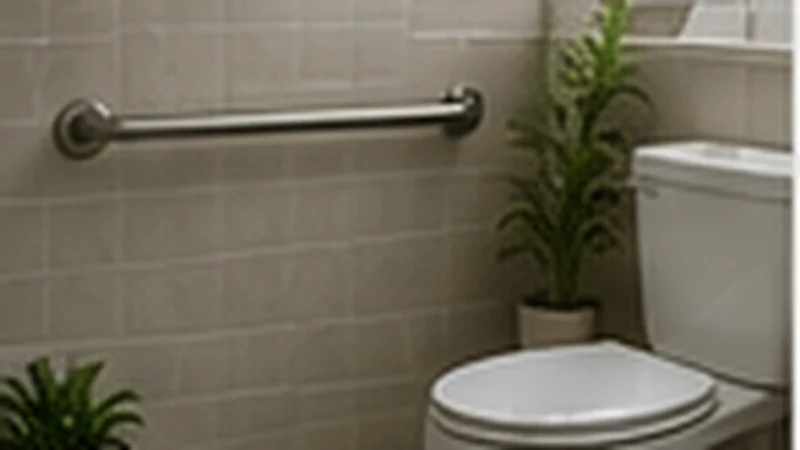
- Consider properly installed grab bars where support is useful.
- Keep toiletries and towels within comfortable reach so you do not need to stretch from a wet surface.
Turn observations into an action plan
Use three labels. Fix now is for something unsafe today. Plan soon is for a change that would make a frequent task easier. Monitor is for a feature that currently works but may wear, loosen, or become less practical. Assign an owner and a date to each Fix Now item; otherwise a checklist can become a permanent list with no action.
What may need a professional
A handyman may be appropriate for simple repairs, but structural railings, electrical lighting changes, plumbing, major flooring work, ramps, and permanently mounted supports can require specialized skill or local-code knowledge. If the safest solution depends on a person’s mobility, strength, or use of a walker or wheelchair, an occupational therapist can help connect the home modification to the person’s actual routine.
Quick Reference
| Area | What to check | Priority example |
|---|---|---|
| Stairs | Rail stability, lighting, clutter, tread condition | Loose rail = Fix now |
| Floors | Rugs, seams, cords, wet surfaces | Curled rug = Fix now |
| Bedroom path | Clear route, light access, cords | Dark path = Plan soon/Fix now |
| Entry | Step stability, rail, drainage, lighting | Broken step = Fix now |
| Bathroom | Wet traction, support, reach | Slippery tub = Fix now |
Do a second walkthrough at a different time of day
One walkthrough rarely shows everything. A hallway that looks bright at noon may be difficult to see after sunset. A bathroom floor may feel secure when dry and slippery after a shower. An entry may be easy when your hands are empty but awkward when you are carrying groceries. Repeat the checklist during the conditions that matter in your routine.
Use the same path you normally take and carry the same kinds of items you usually carry. Notice where you slow down, reach for furniture, miss a step edge, or have trouble seeing what is ahead. Those repeated moments deserve more attention than a box checked only because a generic checklist says it might be a problem.
Separate quick fixes from projects that need planning
Some observations can be handled immediately: move a cord, clear a walkway, replace a burned-out bulb, put frequently used items within easier reach, or remove an unstable mat. Other changes need more thought, such as adding a rail, changing a shower, improving exterior steps, or altering a doorway.
Create two lists. Put simple maintenance and household changes on the first list. Put anything involving construction, electrical work, plumbing, structural support, or significant cost on the second. This keeps the easy wins from being delayed by larger decisions.
Ask what happens if nothing changes
A useful way to set priorities is to ask what is likely to happen if an item remains the same for another six months. A loose handrail, recurring leak, dark stair, or unstable threshold can become more serious. A rarely used high shelf may simply remain inconvenient.
This does not mean predicting an accident. It means comparing frequency, consequence, and effort. Give more attention to conditions that affect you every day, are getting worse, or could make a common task difficult.
Keep the checklist personal
A home-safety checklist is a starting point, not a set of rules for every person over 55. One person may climb stairs comfortably and dislike a slippery shower. Another may have no bathroom problem but struggle with a dark driveway or heavy front door. The same home can work differently for different people.
Write notes in your own words. Instead of only marking “stairs,” write “I cannot see the bottom step well after dark” or “I need both hands when carrying laundry.” Specific notes make the next decision much easier.
Make the next change easy to understand
You do not need to solve every possible problem at once. Choose the issue that affects a real routine most often, decide what a useful improvement would look like, and start there. After the change, use the space normally and see whether it actually made the task easier.
If the solution involves construction, electrical work, plumbing, structural support, significant changes to stairs or entrances, or another specialized task, use qualified help for that part of the job. A clear description of the problem will make it easier to compare options and ask useful questions.
Sources
Frequently Asked Questions
What should I check first?
Start with obvious hazards in the routes and rooms used every day: stairs, entrances, bathroom paths, bedrooms, and main walking areas.
Should I remove every area rug?
Not necessarily, but rugs that move, curl, bunch, or create a raised edge deserve attention. Removing them is often the simplest option; otherwise use a secure solution appropriate to the rug and floor.
How often should I repeat the checklist?
Repeat it after a fall, a move, a change in mobility or vision, a remodel, or a major furniture change. An annual review is also useful.
Can the checklist replace a professional assessment?
No. It is a screening and planning tool. A clinician, occupational therapist, contractor, electrician, plumber, or code official may be needed for individualized or technical questions.
What is the fastest improvement most homes can make?
Clearing walking paths and improving lighting are often quick, low-disruption starting points.
Keep this visual on Pinterest
Save the infographic so you can return to the checklist or comparison when you need it.
 Save on Pinterest