You do not have to turn your home into a construction project just because you are getting older. In many homes, the most useful changes are also the simplest. A brighter hallway can make an evening trip easier. Moving everyday dishes to a lower shelf can reduce reaching. A sturdy handrail can make a familiar set of steps feel more comfortable. A better place to sit while putting on shoes can make the front door easier to use.
The best place to begin is not your age. Start with the parts of daily life that have become annoying, tiring, awkward, or harder than they used to be. Those small moments tell you where your home may need to change.
Start with what bothers you most
Think about a normal day at home. Where do you slow down? What do you avoid? Which task takes more effort than it should? Perhaps you carry laundry down a staircase that feels steeper than it once did. Maybe the bathroom floor becomes slippery after a shower. You may have trouble seeing the edge of a step at night. Kitchen cabinets might force you to stretch or climb for things you use every week.
You do not need to solve every possible future problem. Focus on what affects you now, then think one step ahead. If a change helps today and also makes the home easier to use later, it may be worth doing sooner.
Walk through the home at different times of day. Morning light can hide problems that become obvious after sunset. Notice entrances, stairs, hallways, bathrooms, the kitchen, the bedroom, and any route you use while carrying something. A familiar home can contain small obstacles that become almost invisible because you see them every day.
Make walking through the home easier
Clear movement through the home matters more than creating a perfect-looking room. You should be able to walk from one space to another without squeezing around furniture, stepping over cords, or navigating loose rugs. Pay special attention to the paths you use at night and the routes between the bedroom, bathroom, kitchen, and main entrance.
Look at changes in floor height, curled rug edges, slippery surfaces, and clutter that tends to collect near doorways. A small table may look harmless until it narrows a hallway. A decorative rug may become a problem when one corner refuses to stay flat. Shoes near the entry can turn a simple doorway into an obstacle course.
You do not have to remove everything from the room. Keep the things that make your home feel like your home. The goal is simply to give yourself a clear, comfortable path through the spaces you use most.
Improve lighting before assuming you need a major change
Lighting can change how safe and comfortable a room feels without changing the room itself. A hallway may need brighter bulbs. A kitchen may need task lighting under a cabinet. The first and last steps of a staircase may need better visibility. A bathroom may need a gentle nighttime light that helps you see without waking you completely.
Glare matters too. More light is not always better if a bare bulb or shiny surface makes it harder to see. Aim for even light that helps you recognize edges, steps, controls, labels, and changes in flooring.
Place switches where they are easy to reach. If a dark room must be crossed before you can turn on a light, consider whether another switch, a lamp, or a motion-activated light would make the route easier.
Make the bathroom easier to use
Bathrooms deserve extra attention because water, hard surfaces, small spaces, and repeated sitting or standing all come together in one room. Start with the basics. Check whether the floor becomes slick. Look at the step into the shower or tub. Notice where you naturally reach for support.
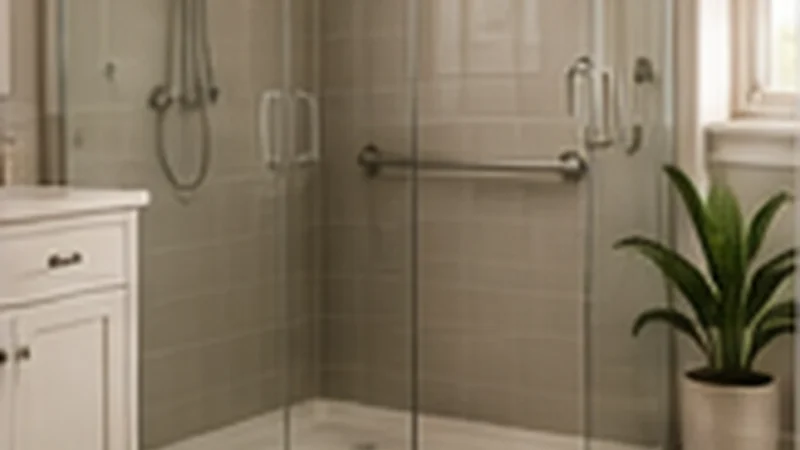
A securely installed grab bar can provide useful support when it is placed where you actually need it. A shower chair or bench can make bathing less tiring for some people. A handheld showerhead can make seated bathing easier. Better lighting can help you see water, toiletries, and changes in floor level more clearly.
Do not assume you need a walk-in tub or a complete remodel. Sometimes a low-entry shower, better flooring, improved lighting, or carefully placed support solves the real problem. If you do plan a larger renovation, think about how you enter, turn, sit, reach, and leave the space.
Make the kitchen fit your everyday routine
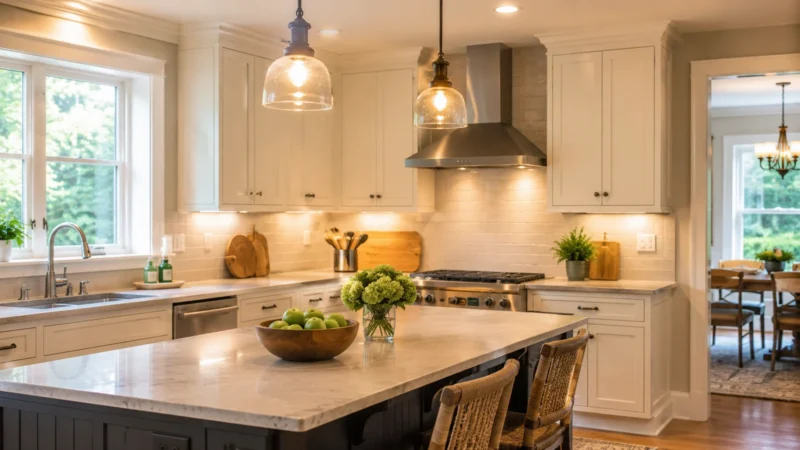
A kitchen works best when the things you use most are easy to reach. Put everyday dishes, cookware, food, and small appliances between comfortable shoulder and knee height when possible. Save very high or very low storage for lighter items that you use less often.
Look at the work you do rather than the way a kitchen is “supposed” to be arranged. If you make coffee every morning, keep the mug, coffee, filters, and machine close together. If you prepare medicine or supplements in the kitchen, choose one well-lit place where you can organize that routine safely.
Good lighting, easy-to-turn faucet handles, clear floor space, stable seating, and a sensible place for frequently used items can make a large difference. You may not need new cabinets to make the kitchen easier to use.
Think carefully about stairs and entrances
Stairs do not automatically become a problem at a certain age. What matters is how they feel to you. A staircase may become harder because the lighting is poor, the rail is loose, the steps are uneven, or you often carry things while using it.
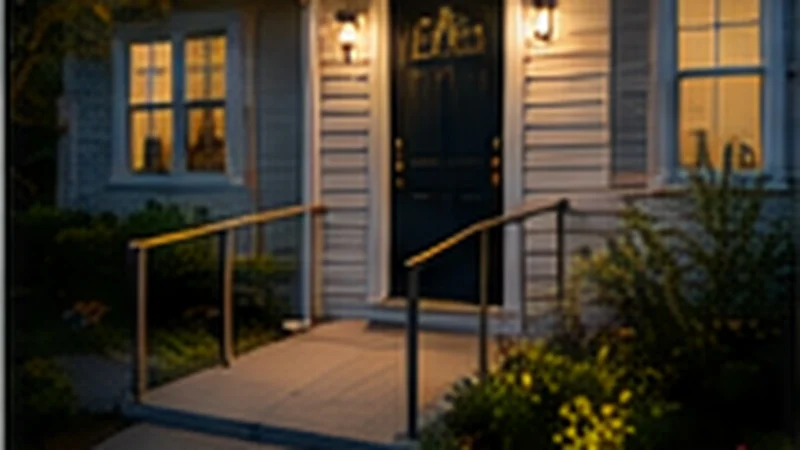
Check handrails, lighting, step edges, and anything stored on the stairs. If you have an outdoor entry, look at the walking surface, drainage, hand support, and the amount of space available while unlocking the door or carrying packages.
If stairs are becoming difficult, look at the reason before choosing a solution. Sometimes the answer is better lighting or a second handrail. Sometimes moving a daily activity to another floor makes more sense. In other situations, a ramp, lift, or larger renovation may deserve consideration.
Reduce reaching, bending, and heavy lifting
Your home can become easier to manage when everyday items live where your hands naturally go. You should not need a step stool for something you use every morning. Heavy cookware does not belong on a shelf that requires an awkward reach. Cleaning products can be divided between rooms so you do not carry one heavy basket through the entire house.
Small changes in storage can reduce repeated effort. Pull-out shelves, hooks, drawers, lazy Susans, lighter containers, and open shelves may help in the right location. The best storage choice is the one that makes a real task easier.
Include maintenance in your plan
A comfortable house can still become difficult to keep up. Yard work, gutter cleaning, seasonal chores, snow removal, exterior repairs, changing filters, and other tasks can demand more time and energy than the rooms themselves.
Make a list of jobs you handle throughout the year. Mark the ones you enjoy, the ones you can still do comfortably, and the ones you would rather stop doing. Hiring help for one demanding task can make staying in the home much easier without changing anything inside it.
Also think about what happens when something breaks. Keep contact information for trusted service providers where you can find it. Know where the main water shutoff and electrical panel are located. Keep important warranties and service records together.
Spend money where it solves a real problem
It is easy to see a list of “senior-friendly upgrades” and feel that you should buy everything at once. You do not need to. Start with the problem, then compare solutions.
If getting into the shower is difficult, decide whether the trouble comes from the step, balance, standing, floor traction, or reaching the controls. Each problem points to a different solution. If carrying laundry downstairs is the problem, a stair lift may not be the first answer. Moving laundry equipment, changing the laundry routine, or getting occasional help may solve more of the problem.
For larger work, ask what the project will improve, how often you will benefit, how disruptive the work will be, and whether a smaller option could help. Get qualified help when the work involves structure, electricity, plumbing, permits, or other specialized work.
Your home should support your choices
Aging in place is not a promise that you must remain in one house forever. It is a way to make the place you live work better for you. You may decide to stay for many years. You may eventually choose a smaller home, an apartment, a community with fewer maintenance demands, or a home closer to family and services.
There is no correct answer based on age alone. What matters is whether your home supports the life you want to live. Pay attention to comfort, effort, safety, maintenance, transportation, cost, and the people or services available around you.
Begin with one room, one route, or one task. Make the change that removes the most repeated frustration. Then live with it for a while. A home that becomes easier one thoughtful improvement at a time can remain familiar without becoming difficult to manage.