
Height is about the transfer
The useful question is not “What toilet is made for seniors?” It is “At what height can this person sit and stand with good control?” Leg length, foot placement, joint comfort, balance, mobility equipment, and available support all affect the answer.
A seat that feels wonderfully easy for one person can feel too high for another.
What the ADA standard says
The 2010 ADA Standards specify water-closet seat heights for accessible facilities and contain particular provisions for covered residential dwelling units. The Standards are a valuable design reference because they show how accessible fixtures are coordinated with clearances and grab bars.
They should not be turned into a blanket statement that every private bathroom must use one height. Residential code and legal applicability vary.
Comfort-height toilets
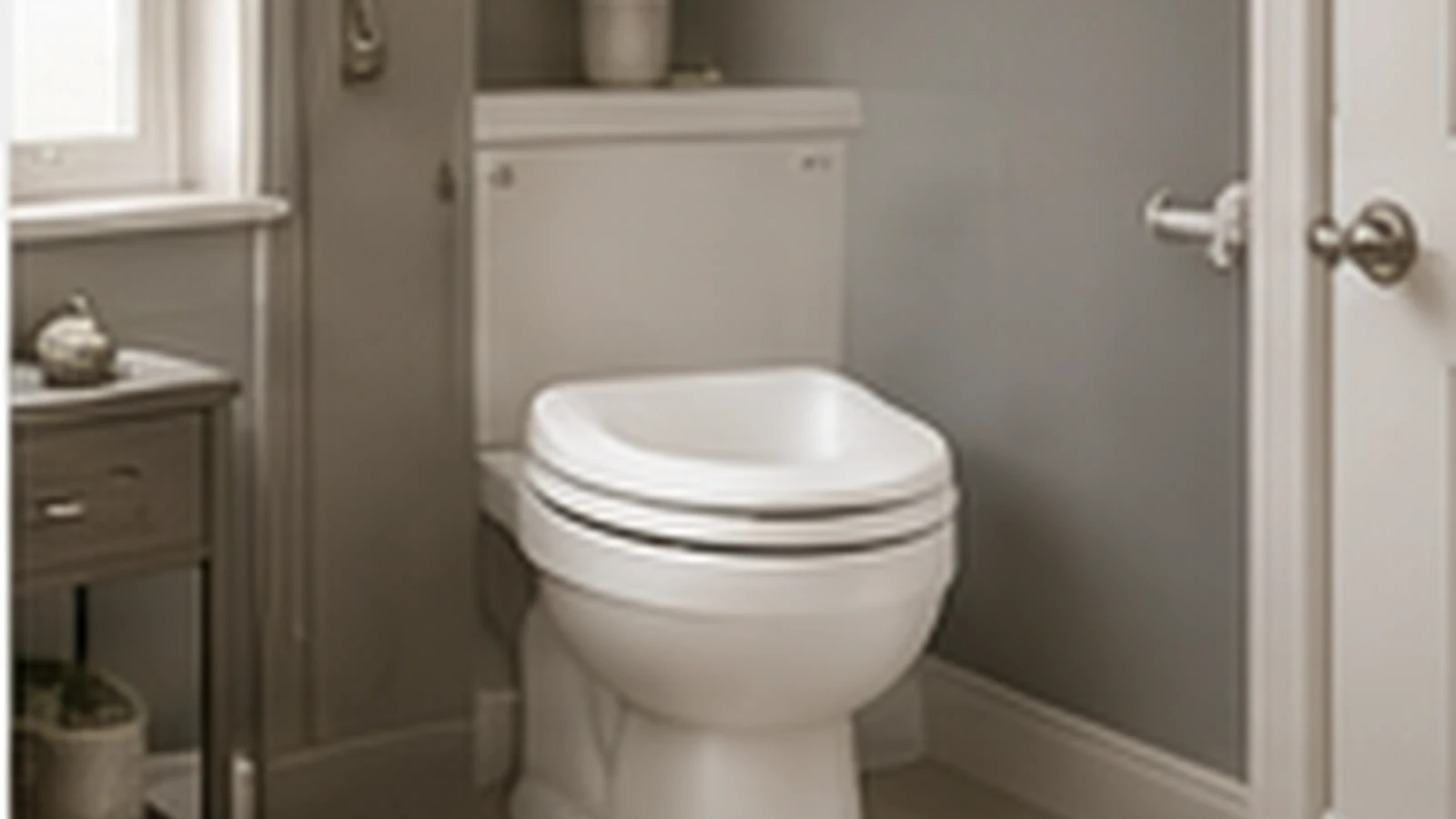
Many manufacturers sell taller toilets under names such as “comfort height,” “chair height,” or similar branding. Those terms are not a substitute for measuring.
Check the actual finished seat height, not only the bowl height. The seat itself can add height, and different seat designs change the final measurement.
When taller can help
A somewhat taller seat may reduce the depth of a sit-to-stand movement for a person who has difficulty rising from a low position. It can also reduce the amount of bending at the knees and hips.
That does not mean taller is always better. A person should be able to place the feet securely and control the transfer.
When taller can create a problem
If the feet do not rest comfortably on the floor, stability may decrease. A very tall fixture may also complicate transfers from a wheelchair or other mobility device depending on seat heights and technique.
This is another reason to consider the toilet, grab bars, clear space, and user together.
Measure before buying
Measure the current toilet from the finished floor to the top of the seat. Ask the user what feels difficult. If the goal is to make standing easier, temporary seat-height changes may help test the concept, but temporary products must be secure and used as designed.
For a remodel, compare actual installed dimensions on manufacturer specification sheets.
Quick Reference
| Question | Why it matters |
|---|---|
| Can both feet rest securely? | Foot support contributes to a controlled sit and stand |
| Can the user stand without pulling on an unsafe object? | May indicate need for secure support |
| Is a wheelchair transfer involved? | Seat-height relationship and side clearance matter |
| What is the finished seat height? | Bowl height alone does not include the seat |
| Does the door or vanity limit clear space? | Fixture height cannot compensate for a poor transfer area |
Measure the toilet you already use
Before shopping, measure from the finished floor to the top of the toilet seat on a toilet you know well. Then pay attention to how your feet rest, how much effort it takes to stand, and whether you use nearby furniture or fixtures for leverage.
This gives you a personal reference point. A new toilet that is one or two inches taller can feel very different, especially if you are shorter or your feet no longer rest firmly on the floor.
Think about both sitting down and standing up
A taller seat may make standing easier for some people, but the same height can make sitting less comfortable or leave the feet unsupported. The goal is not simply to buy the tallest available model.
Try different heights in a showroom if possible. Wear your usual shoes and notice whether your hips, knees, and feet feel comfortably supported.
Include nearby support in the decision
Toilet height works together with grab bars, wall location, side clearance, and the way you approach the toilet. A height change alone may not solve a transfer problem.
If you regularly push on a vanity, towel bar, or windowsill to stand, that is a sign to review proper support placement rather than relying on the fixture.
Do not treat an ADA dimension as a personal prescription
ADA standards are important design references for public and commercial accessibility, but a private home can be selected around the people who actually use it. A dimension that supports broad public access is not automatically the perfect height for every individual.
Use the standard as one point of comparison, then choose the home fixture based on comfort, safe foot contact, transfer needs, and the surrounding layout.
Choose the next change around the way you use the bathroom
You do not need every product marketed as accessible or senior-friendly. Choose the change that makes a real part of your daily routine easier, safer, or less tiring. Then use the bathroom normally and decide whether the improvement solved the problem you started with.
When the work involves structural attachment, plumbing, electrical work, waterproofing, major layout changes, or local permit requirements, use qualified help for that part of the project. A clear description of the difficulty will help you ask better questions and compare options.
Before you buy or install anything
Measure the space and write down the exact problem you want the new item to solve. Bathroom products can look compact in a photo and feel very different once they are placed beside a toilet, shower door, vanity, or narrow walkway. Check door swings, drawer openings, shower entry, and the space your feet need while turning.
If the item is intended to support body weight, connect to plumbing or electricity, or become part of a waterproof shower system, make secure installation part of the purchase decision. The product itself is only one part of whether the change will work safely.
Keep maintenance in the decision
A bathroom improvement should still be practical six months after installation. Ask how the surface is cleaned, whether hardware needs tightening, whether batteries or filters need replacement, and how you will notice wear. Equipment that is difficult to clean or inspect may not remain useful.
Build a simple habit around the change. Wipe water from a problem area, check rubber feet on a shower chair, keep grab bars clear, or test a nighttime light occasionally. Small maintenance steps help the improvement continue doing the job you bought it to do.
Sources
Frequently Asked Questions
Is a comfort-height toilet automatically best for older adults?
No. It may be easier for some people to stand from, but the best height depends on the individual.
What height does ADA use?
ADA standards specify seat-height ranges for covered accessible facilities. Use the current ADA text for exact requirements and remember that private-home applicability differs.
Can I add a raised toilet seat instead of replacing the toilet?
A properly selected raised seat may be useful, especially as a trial or temporary solution, but it must be secure and compatible with the toilet and user.
Should feet touch the floor?
Secure foot support is generally important for a controlled transfer. If a seat is so high that the feet do not rest comfortably, it may not be a good fit.
Do grab bars matter as much as toilet height?
They can. Height, side clearance, support placement, and transfer technique work together.
Keep this visual on Pinterest
Save the infographic so you can return to the checklist or comparison when you need it.
 Save on Pinterest