Start with scope, not the average
“Accessible bathroom remodel” can mean anything from installing two grab bars to rebuilding the entire room. A national average therefore has limited value unless you define the scope first.
Angi’s 2026 cost guide estimates accessible bathroom remodels at roughly $5,600 to $12,000, averaging about $8,400. Use that as a benchmark, not a quote. Labor rates, bathroom size, structural conditions, finish level, and geography can move the total substantially.
Low-disruption changes
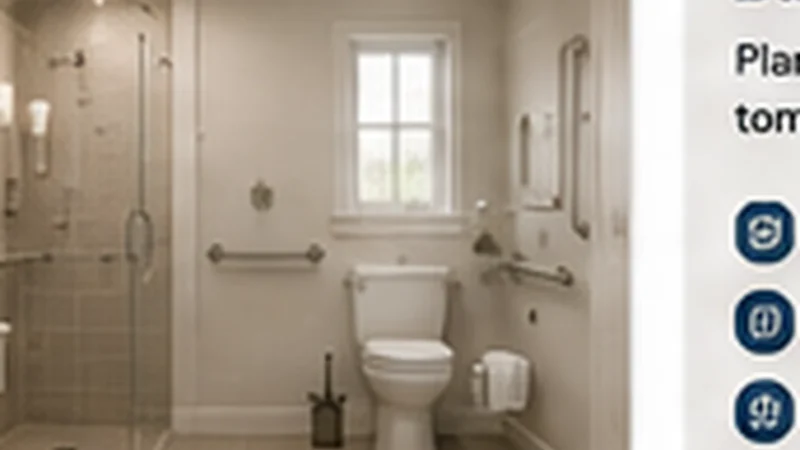
Lower-cost work may include permanent grab bars, better lighting, lever hardware, a handheld showerhead, improved storage, a stable shower seat, or replacing a toilet.
Even small jobs can cost more than expected if the wall lacks blocking, electrical wiring needs updating, or a plumbing fixture cannot be swapped without modification.
Mid-scope remodel
A mid-scope project may replace the tub with a low-threshold shower, add wall reinforcement, change flooring, install new controls, improve lighting and ventilation, and adjust the vanity or toilet area.
At this level, waterproofing and plumbing quality matter more than decorative upgrades. Cutting corners behind the tile can create expensive failures later.
Major accessibility conversion
A larger project can involve a true curbless shower, widened doorway, relocated plumbing, wall changes, new electrical circuits, structural floor work, a different layout, or room expansion.
Curbless showers can require floor recessing or drainage changes. Doorway widening may affect switches, plumbing, framing, or adjacent rooms. These are the changes that make a project depart quickly from a basic bathroom remodel.
Cost drivers to ask about
When comparing estimates, ask each contractor to separate demolition, plumbing, electrical, framing, waterproofing, tile/flooring, fixtures, accessories, permits, and finish work. This makes quotes easier to compare.
Also ask what happens if hidden water damage or inadequate framing is discovered. A contingency allowance can prevent the budget from collapsing when the wall is opened.
Where not to cut corners
Do not economize on structural attachment for grab bars or seats, waterproofing, shower-pan construction, electrical wet-location safety, or plumbing work.
Decorative finishes can be phased. Safety-critical work is harder to correct after the room is closed.
How to phase the project
If a full remodel is not practical, start with the highest-value changes: traction, support, lighting, and clear floor path. Then plan larger work around the shower or tub, toilet area, doorway, and layout.
A phased approach works best when the long-term plan is known early. For example, add wall blocking during one renovation even if the final grab bars will be installed later.
Quick Reference
| Cost level | Typical scope | What can increase cost |
|---|---|---|
| Small upgrades | Grab bars, lighting, handheld shower, storage, toilet | Wall repair, wiring, plumbing compatibility |
| Moderate remodel | Tub-to-shower, flooring, reinforcement, fixtures | Waterproofing, tile, plumbing changes |
| Major conversion | Curbless shower, doorway/layout changes, relocation | Structure, drain relocation, permits, electrical, hidden damage |
Build the budget from the problems you want to solve
A bathroom remodel can range from a few targeted changes to a complete reconstruction. The useful starting question is not the national average. It is which parts of the current bathroom prevent comfortable daily use.
Write down the exact issues—such as a high tub wall, poor lighting, lack of secure support, a narrow doorway, or difficult storage—before asking for estimates. This makes it easier to compare proposals that solve the same problems.
Separate necessary work from finish upgrades
Waterproofing, structural reinforcement, safe electrical work, plumbing, and a properly built shower base are different from decorative tile, premium faucets, or custom cabinetry. Mixing them together can make it hard to see where the budget is going.
Ask for an itemized estimate when possible. You may decide to spend more on the parts that affect daily use and choose simpler finishes elsewhere.
Expect hidden conditions to affect an older bathroom
Once a tub, wall, or floor is opened, a contractor may find water damage, outdated wiring, damaged subfloor, or plumbing that needs correction. Not every hidden issue can be predicted from the finished room.
Ask how change orders are handled and keep a reasonable contingency in the budget. A very low estimate that assumes nothing unexpected will happen can be difficult to compare with a more complete proposal.
Phase work only when the phases still make sense
Some improvements can be separated: lighting first, then storage, then a future shower project. Other work is more efficient when coordinated, such as wall reinforcement before tile or plumbing changes before a new shower floor is built.
Ask which decisions must be made together so you do not pay to remove newly finished work later.
Choose the next change around the way you use the bathroom
You do not need every product marketed as accessible or senior-friendly. Choose the change that makes a real part of your daily routine easier, safer, or less tiring. Then use the bathroom normally and decide whether the improvement solved the problem you started with.
When the work involves structural attachment, plumbing, electrical work, waterproofing, major layout changes, or local permit requirements, use qualified help for that part of the project. A clear description of the difficulty will help you ask better questions and compare options.
Before you buy or install anything
Measure the space and write down the exact problem you want the new item to solve. Bathroom products can look compact in a photo and feel very different once they are placed beside a toilet, shower door, vanity, or narrow walkway. Check door swings, drawer openings, shower entry, and the space your feet need while turning.
If the item is intended to support body weight, connect to plumbing or electricity, or become part of a waterproof shower system, make secure installation part of the purchase decision. The product itself is only one part of whether the change will work safely.
Keep maintenance in the decision
A bathroom improvement should still be practical six months after installation. Ask how the surface is cleaned, whether hardware needs tightening, whether batteries or filters need replacement, and how you will notice wear. Equipment that is difficult to clean or inspect may not remain useful.
Build a simple habit around the change. Wipe water from a problem area, check rubber feet on a shower chair, keep grab bars clear, or test a nighttime light occasionally. Small maintenance steps help the improvement continue doing the job you bought it to do.
Sources
Frequently Asked Questions
What is a realistic budget for an accessible bathroom remodel?
As a 2026 national planning reference, Angi reports roughly $5,600–$12,000 for many projects, averaging about $8,400. Your local project may be much lower or higher depending on scope.
What is usually the most expensive part?
Major plumbing relocation, structural changes, custom shower work, waterproofing, tile, and labor can drive the budget.
Can I remodel in stages?
Yes. Address immediate safety needs first and coordinate later work so early improvements do not have to be removed.
Do I need permits?
Possibly. Plumbing, electrical, structural, and layout changes can trigger local permit requirements. Ask the contractor and local building department.
Should I get multiple quotes?
For substantial work, comparable written quotes help you understand scope, exclusions, allowances, warranties, and local pricing.
Keep this visual on Pinterest
Save the infographic so you can return to the checklist or comparison when you need it.
 Save on Pinterest